
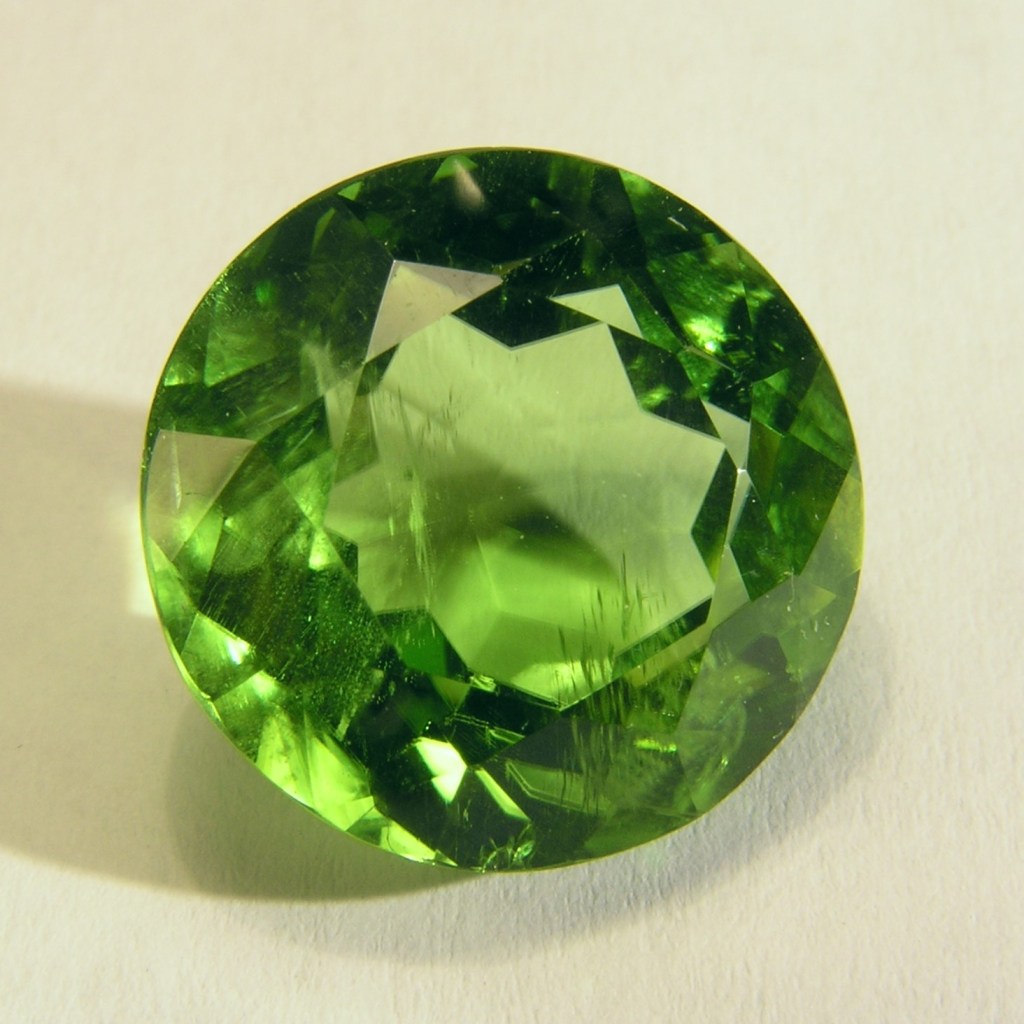
Peridot is the gemstone variety of the mineral called olivine and is often referred to as chrysolite.
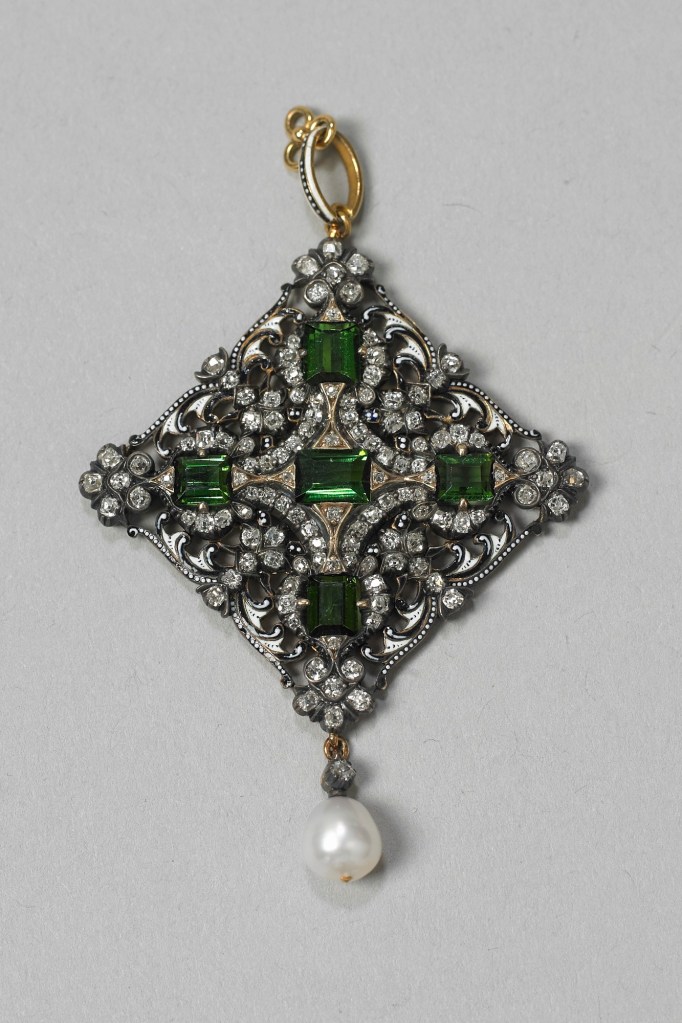
Peridot is one of the few gemstones to come in only one color: green. However, depending on its iron content, peridot’s green color may range from a light yellow green to a brownish golden green.
Peridot’s Many, Many Names
Peridot was the most misunderstood gemstone in history. Not only did peridot have many names, but it was also confused with many other gemstones.
Egyptian Emerald
Peridot was mined in Egypt for over 3,500 years, and the “emeralds” worn by Cleopatra were actually peridot.
Persian Zeberget
Peridot was mined in Persia for over 2,000 years, and an ancient source of peridot was on an island in the Red Sea called the Isle of St. John, which was originally called Zeberget. Thus, the ancient Persians named peridot zeberget, for its place of origin. Adding the the confusion, The Persian name for yellow citrine was zeberget Hindi or “Indian peridot.”
Arabic Faridat
Some believe, however, that peridot may derive its name from the Arabic word faridat, meaning “gem”.
Greek Chrysolite
Peridot is also called chrysolite, from the Greek for “gold stone.”
French Peritot
Further adding to the confusion, many ancient people called peridot “topaz.” Medieval Crusaders brought peridot to Europe, where it was known as topaz until the 18th century when the French began referring to the stone as peritot.

Mining Peridot Today
Today, Arizona’s San Carlos Indian Reservation is the world’s most commercially important producer.
Gem of the Sun
Having always been associated with light, ancient Egyptians called peridot the “gem of the sun”.
Protection from Evil
Believed to ward off night terrors, ancient Persians strung the gem on donkey hair and tied it around the left arm for protection from evil spirits.
Emerald of the Evening
The Romans called peridot the “emerald of the evening”, since, unlike many gemstones, its color does not change, even in artificial light.
An Aid to Miners
Peridot is also said to emit a soft humming sound and glow in proximity to buried treasure. Miners have been known to search for peridot at nighttime, when the stone may glow under the moonlight.

 Flora Jewels