

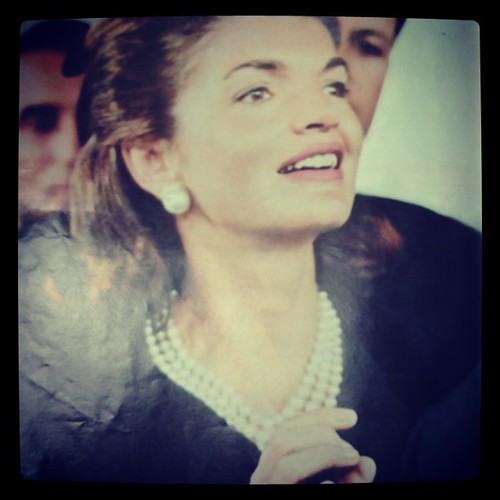
First Lady Jackie Kennedy famously stated, “Pearls are always appropriate.” Her iconic faux pearl necklace, originally purchased for $35, fetched an astonishing $211,500 at auction in 1996. Pearls have long symbolized elegance and sophistication, but what makes these iridescent treasures so invaluable?
Natural pearls are incredibly rare, forming when a grain of sand becomes lodged in an oyster (saltwater) or mussel (freshwater). Over time, layers of nacre coat the irritant, creating a pearl. Larger, perfectly round pearls are the most valuable. Historically, pearl diving was a perilous endeavor undertaken in regions like Japan, the Persian Gulf, and the Caribbean. Only about 1 in 10,000 shells contained pearls. Today, most pearls are cultured, making naturally occurring pearls extremely rare and highly prized.
The Fascinating Tales of La Peregrina and La Pelegrina
Among the most famous natural pearls are La Peregrina and La Pelegrina, both meaning “pilgrim” or “wanderer” in Spanish. Their remarkable journeys began similarly in the 16th century when they were allegedly discovered by African slaves off the coast of the Gulf of Panama. La Pelegrina weighs more than 43 carats, while La Peregrina is significantly larger at more than 75 carats. Both pearls were sent to Spain from 1513 to 1821.
La Peregrina’s Royal Journey
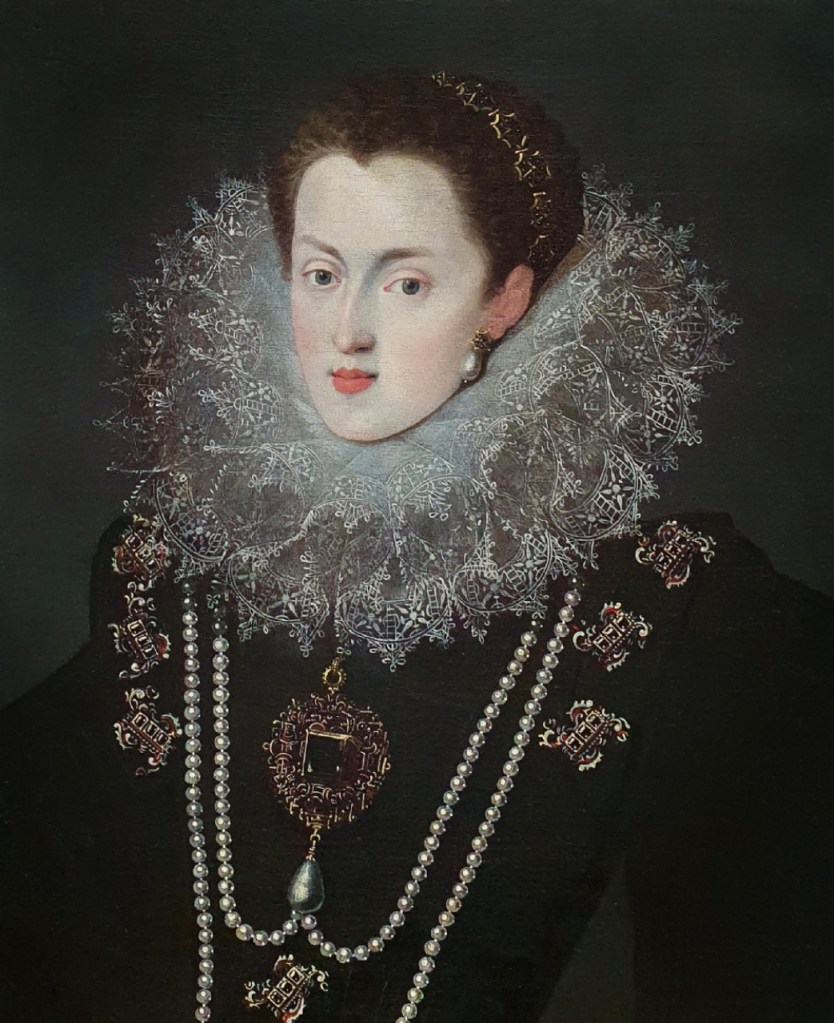
La Peregrina, a gift from Don Pedro de Temez, Panama’s administrator, to King Philip II of Spain, became a coveted Spanish Crown Jewel. Spanish queens, including Margaret of Austria, Mariana of Austria, and Elisabeth of France, adorned themselves with this exquisite pearl. Renowned court artists like Diego Velazquez, Peter Paul Rubens, and Juan Pantoja de La Cruz immortalized these queens wearing La Peregrina in their portraits.
La Pelegrina’s Mystical Path
La Pelegrina also graced the Spanish royal collection. In 1660, King Philip IV gifted it to his daughter Maria Theresa upon her marriage to King Louis XIV of France. The pearl traveled to Versailles, but its fate became uncertain after Maria Theresa’s death. It was likely part of the French Crown Jewels stolen during the French Revolution in 1792.

By the 1820s, La Pelegrina reemerged in St. Petersburg, sold to the aristocratic Yusupov family. The Yusupovs, who owned other magnificent jewels like Marie Antoinette’s pearl earrings and the Polar Star Diamond, cherished La Pelegrina. Zinaida Yusupov, depicted wearing the pearl, passed it to her son, Felix Yusupov, a conspirator in Rasputin’s assassination. The Yusupovs fled Russia during the 1917 Revolution, carrying their precious jewels to Paris. Felix held onto La Pelegrina until selling it to a Geneva jeweler in 1953.
La Peregrina’s Adventures in Revolution and Hollywood
Revolution also influenced La Peregrina’s story. Napoleon Bonaparte, after the French Revolution, made his brother Joseph the King of Spain in 1808. When Joseph was ousted in 1813, he fled with La Peregrina and other Spanish Crown Jewels, eventually passing it to his nephew, Napoleon III. Napoleon III sold the pearl to James Hamilton, 1st Duke of Abercorn, as a gift for his wife Louisa.
In 1969, the pearl entered Hollywood history when Richard Burton purchased it for Elizabeth Taylor at a New York auction for $37,000 (about $300,000 today). Taylor nearly lost La Peregrina when her puppy chewed on it in a Las Vegas hotel room, but luckily, it was unharmed. Taylor had the pearl reset into a stunning diamond and ruby necklace by Cartier in 1972.
The Legacy of Two Legendary Pearls
La Peregrina remained in Elizabeth Taylor’s collection until her death. In December 2011, it sold at Christie’s for $10.5 million (over $11 million with fees), now in private hands. La Pelegrina was auctioned in 1987 at Christie’s Geneva for $463,800 and remains privately owned.

 Flora Jewels

.jpg)