
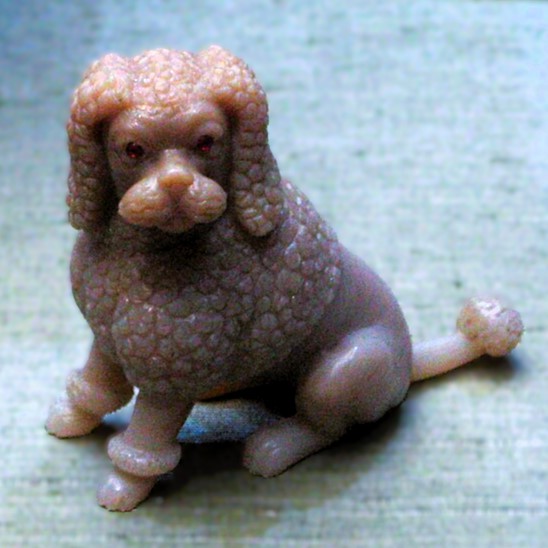

- Poodle carved in pink chalcedony with ruby eyes (source)
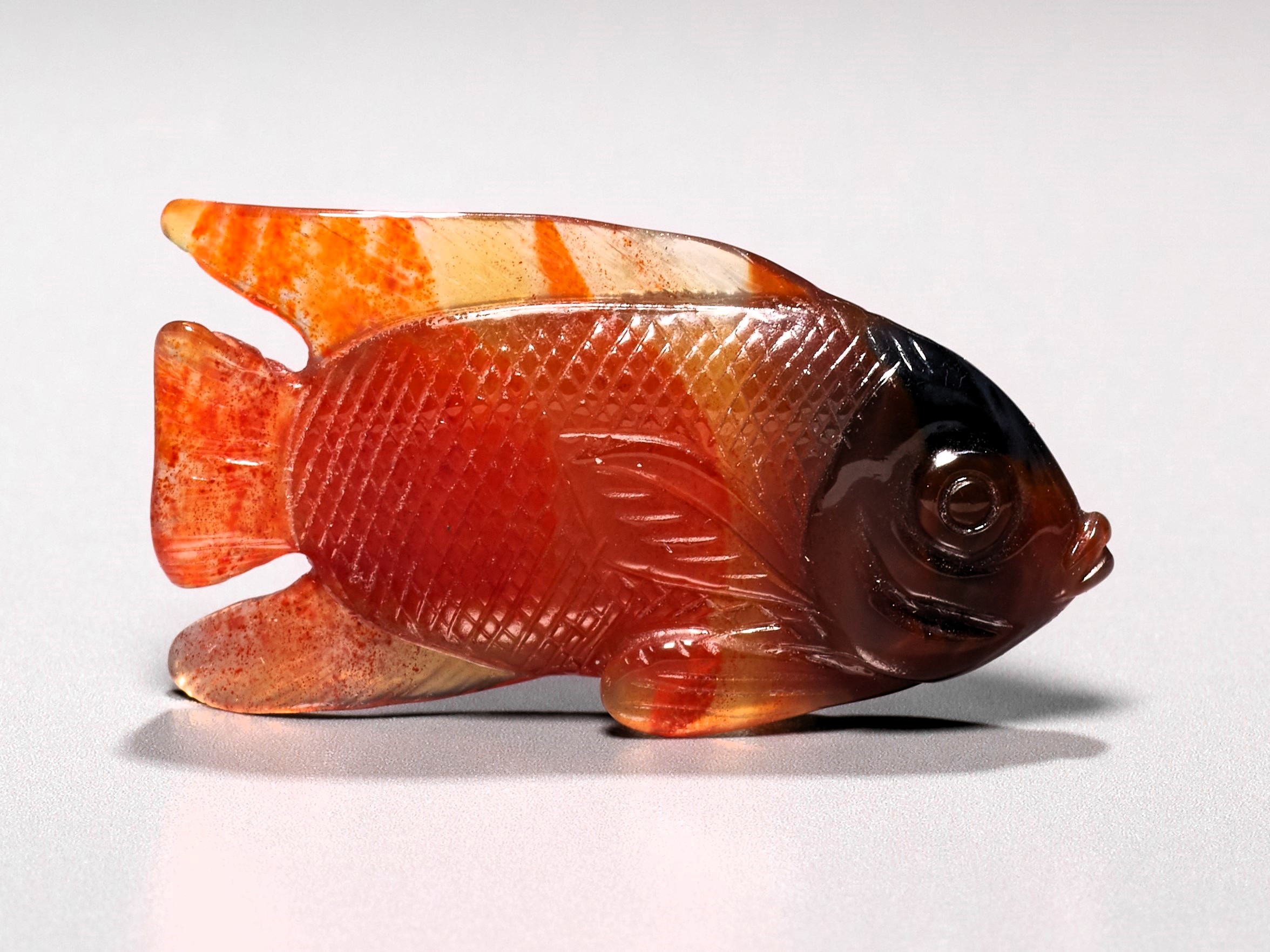
- Fish carved in banded agate (source)
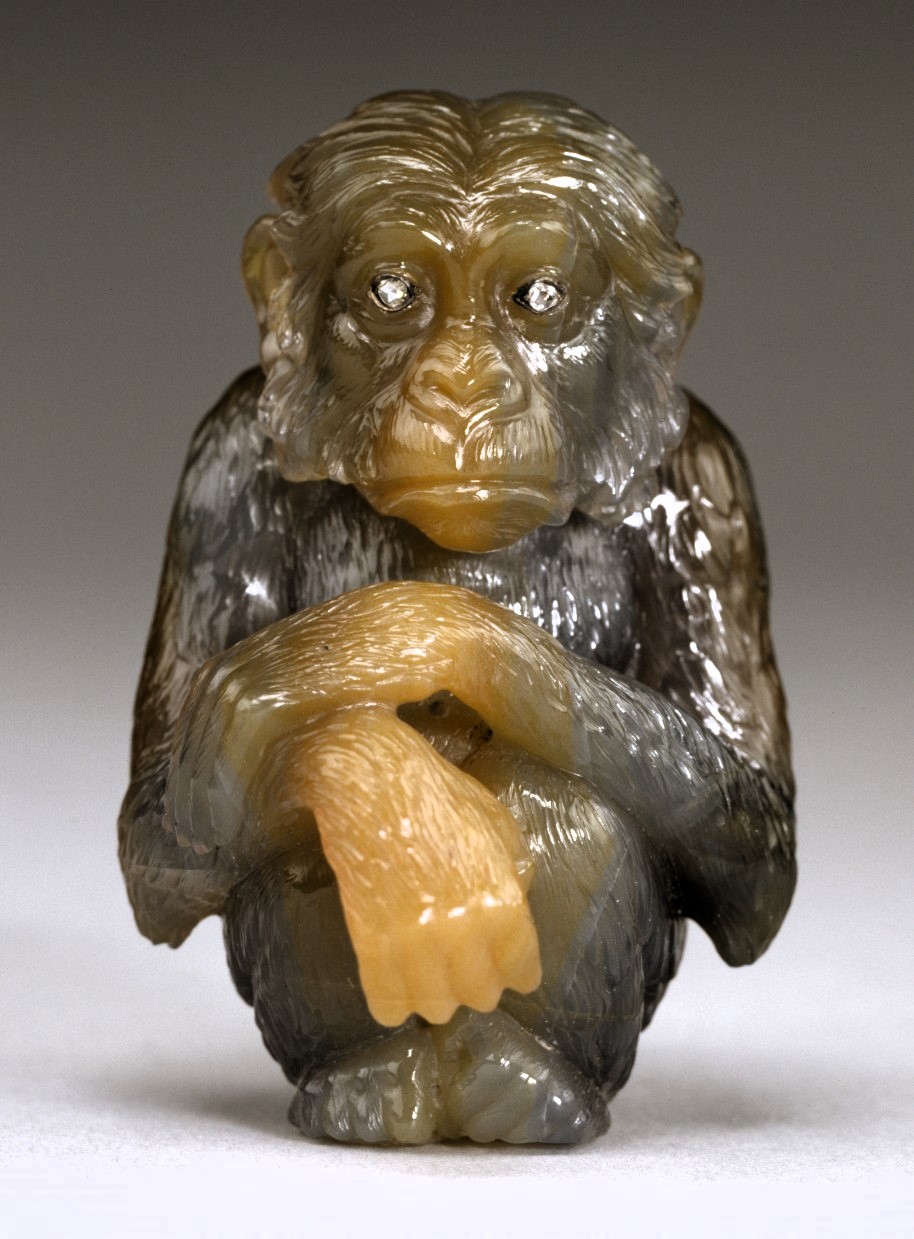
- Chimpanzee carved in banded agate with diamond eyes (source)
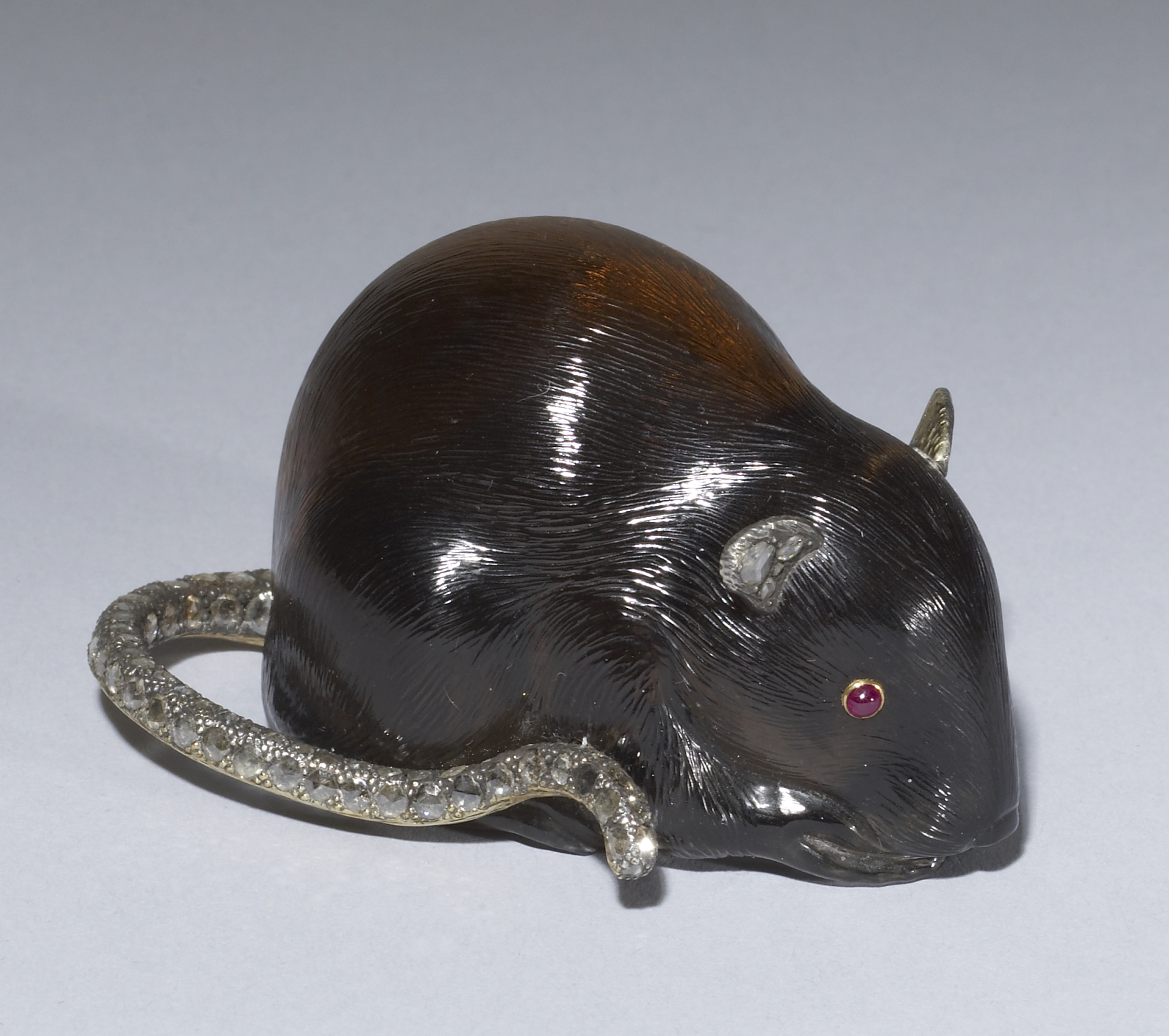
- Mouse carved in smoky quartz with ruby eyes and a diamond encrusted tail (source)
- Hippopotamus carved in nephrite jade with diamond eyes (source)
Fabergé’s exquisite animal figurines, inspired by Japanese netsuke, stand out as masterpieces of early 20th-century craftsmanship. Created from a variety of gemstones, including chalcedony, banded agate, and jade, these miniature sculptures reflect Fabergé’s ingenious artistry and meticulous attention to detail.
Netsuke, small decorative objects traditionally used in Japan to secure containers to kimono sashes, served as the inspiration for Peter Carl Fabergé when designing his animal figurines. These intricate Japanese carvings often depicted everyday life, mythical creatures, zodiac animals, and kabuki actors, blending utility with artistic expression. Fabergé, a master jeweler, adapted this concept, infusing it with European elegance and the natural beauty of precious stones.
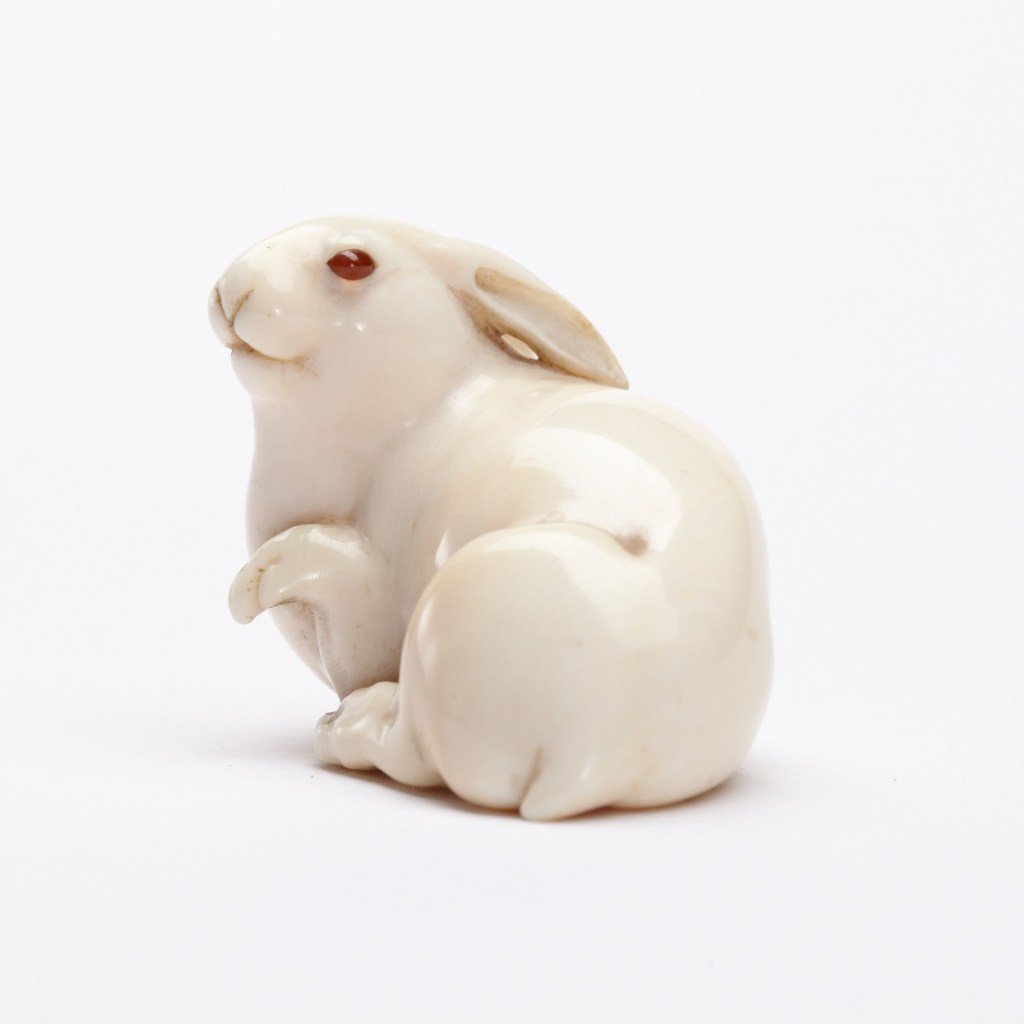
Each Fabergé figurine was thoughtfully crafted to enhance the inherent qualities of the gemstone used. Chalcedony, known for its waxy luster and translucent quality, lent a soft, almost ethereal appearance to the sculptures. Banded agate, with its distinctive layers and vibrant colors, added a dynamic visual interest, making it a popular choice for depicting birds and other animals. Jade, revered for its smooth texture and rich hues, brought a sense of timelessness and cultural significance to the pieces.
Fabergé’s artisans meticulously carved each figure, paying close attention to the natural features and color variations of the stones. After carving, the figurines were polished to perfection and adorned with precious jewels such as diamonds, rubies, and sapphires, adding a touch of luxury and sparkle.
These gemstone animals were more than mere collectibles; they were cherished by Europe’s elite, including members of the Romanov dynasty and other royal families. Each piece was imbued with personality and charm, making them highly sought after by connoisseurs of fine art and jewelry.
The collection of these figurines, with their rich history and unparalleled craftsmanship, represents the zenith of Fabergé’s artistic achievements. They are not only a testament to the jeweler’s skill but also a reflection of the cultural exchange between East and West, seamlessly blending Japanese artistic tradition with European opulence.

 Flora Jewels
.jpg)
_-_Fish_-_2009.30.b_-_Cleveland_Museum_of_Art.jpg)


