

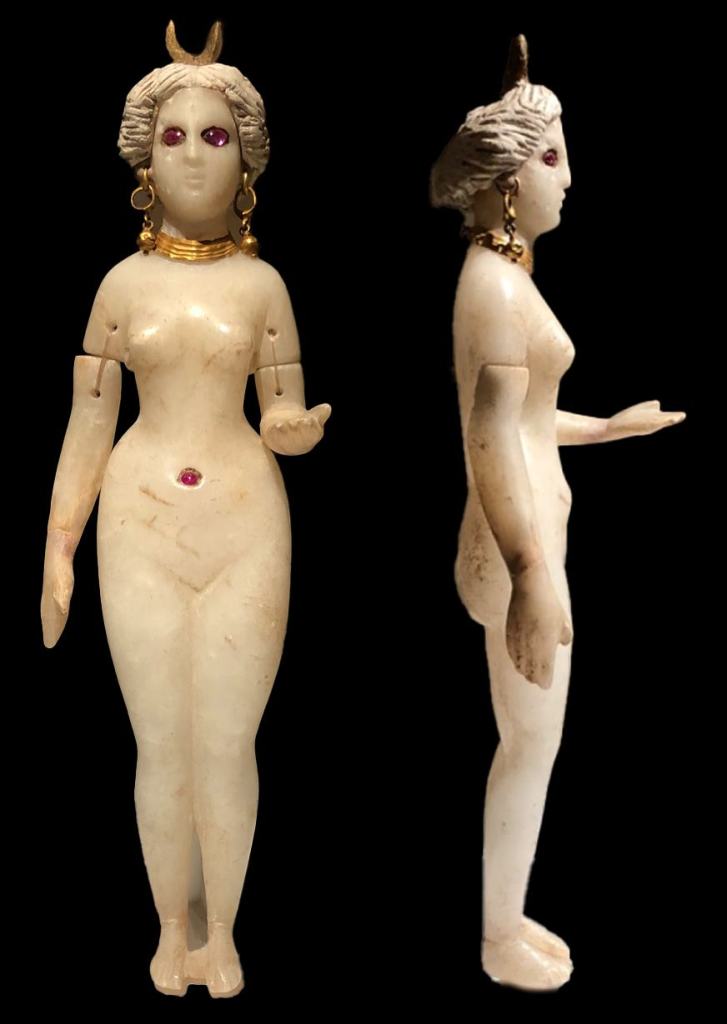
The Birthstone of July: Ruby
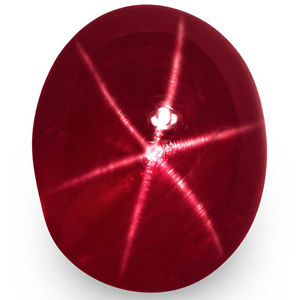
The birthstone for July, the ruby, is the red variety of the mineral corundum. Sapphire, its blue counterpart, is also a variety of corundum. This mineral is exceptionally hard, measuring a 9 on the Mohs hardness scale, making the ruby a beautiful, durable, and wearable gemstone.
Colors and Quality
Ruby’s color spectrum ranges from purplish or bluish-red to yellowish-red. However, the finest rubies exhibit a vivid, almost pure spectral red with a faint blue undertone, often described as “pigeon’s blood red.” Burmese rubies are considered the world’s finest, renowned for their exceptional color and quality.
Balas Rubies and Spinel
Interestingly, so-called Balas rubies are actually transparent red spinel. In ancient times, spinel was often mistaken for true ruby. The term “Balas” originates from Balascia, an ancient region in Central Asia, while “spinel” is derived from the Greek word for spark, referencing its fiery red color.
Historical Significance and Legends
In Greek, rubies were referred to as “anthrax” (coal) and in Latin as “carbunculus” (small coal). Roman author and naturalist Pliny the Elder wrote that rubies were believed to be generated by lightning or “fire from heaven.” The ruby’s fiery glow inspired legends of an eternal flame burning within, said to be visible even through any material. When submerged in water, it was believed to heat the liquid to a boil.
Symbolism and Beliefs
Historically, rubies have symbolized love, passion, and friendship, and were believed to ensure beauty. They were thought to bestow physical and mental well-being, dispel evil thoughts, curb desires, neutralize harmful vapors, and resolve conflicts. Dark-colored rubies and star rubies were considered “male,” while lighter-hued rubies were deemed “female.”
Medieval Praise
In the 11th century, French archbishop Marbodius of Rennes wrote a treatise on gemstone lore called “Liber de Lapidibus.” Marbodius celebrated the ruby, calling it “the most precious of the twelve stones God created.” According to this lore, Christ himself commanded that the ruby be placed on Aaron’s neck, affirming its divine favor.
Royal Endorsements
The first king of France, Philippe de Valois (1293-1350), also praised the ruby in his treatise on gemstones, “Lapidaire.” De Valois extolled the ruby as the “lord of stones” and the “gem of gems,” surpassing all others in virtue. A travel memoir attributed to Sir John Mandeville, an Englishman of the 14th century, further celebrated the ruby’s talismanic powers, promising peace, security, and protection from all dangers. The stone was also believed to safeguard homes, orchards, and vineyards from tempests, especially when worn on the left side.
Reverence in Hindu Culture
In Sanskrit, the ruby is revered with names that reflect its esteemed status among Hindus. Known as “ratnaraj,” the “king of precious stones,” and “ratnanâyaka,” the “leader of precious stones,” it holds an unmatched place of honor. One particular shade, “padmarâga,” is poetically described as “red as the lotus.”
Hindu Classification
Hindu tradition classified rubies into four castes: the true blue-red ruby as a Brahmin, the rubicelle (an orange-red spinel) as a Kshatriya, the red spinel as a Vaisya, and the balas-ruby (a pinkish-red spinel) as a Sudra. Owning a “padmarâga,” or Brahmin ruby, was believed to guarantee perfect safety, protection from enemies, and freedom from misfortune.
The Luminous Ruby of Ceylon
Gemologist and author George Frederick Kunz wrote about the “luminous ‘ruby’ of the King of Ceylon,” a legendary gem said to be five inches in diameter, impervious to fire, and glowing like a torch in the night. According to Kunz, this extraordinary gem was also believed to possess the power of an elixir of youth. The king was said to rub his face with it daily, ensuring he retained his youthful appearance even beyond ninety years.
Enduring Allure
With its storied past and legendary powers, the ruby continues to captivate and inspire, standing as a testament to its timeless allure and mystical significance.

 Flora Jewels
