
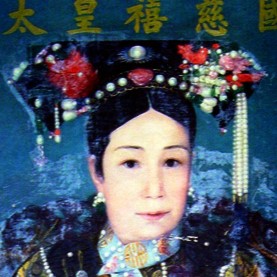
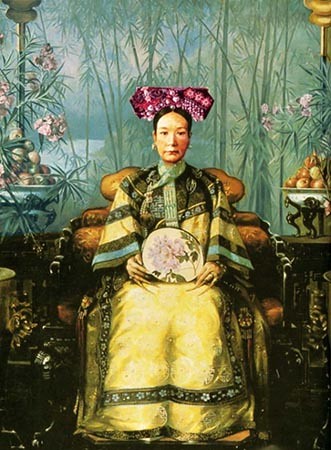
The Empress Dowager Cixi—aging, embattled, yet unwilling to surrender her grasp on beauty—found solace in the soft gleam of pink tourmaline. It was more than a gemstone; it was reinvention, a gesture toward Western elegance after the Boxer Rebellion left the old China fractured. Her obsession ignited a mining boom in Southern California, where the Tourmaline Queen Mine surged to meet the demands of a distant monarch. In those stones, she found not just ornament but power—something subtle, something enduring. Photographs linger, echoes of a woman who knew the strength of aesthetics.
Cixi’s life reads like a chronicle of power seized and clung to, marked by both ambition and reversal. A low-ranking concubine who rose to control the Qing dynasty, she orchestrated coups, reversed reforms when threatened, and backed reactionary forces like the Boxers. Even in retreat, she maintained influence, adopting modern policies only on her terms. The mystery surrounding the Guangxu emperor’s death—announced the day before her own—remains an unsettling footnote, hinting at the cost of her reign. Cixi’s legacy is one of contradictions: progress stifled, power hoarded, and modernity arrived too late.

 Flora Jewels